May 1, 2026
The brakes of a vehicle are one of its most critical safety components. Recognizing the signs that your brakes require service is essential for safety and avoiding costly repairs. This article explores indicators that your brakes may need attention and how to handle them effectively. Regular brake repair and inspections not only enhance safety but also extend your vehicle’s lifespan, preventing accidents and expensive fixes. By understanding the warning signs and maintenance tips shared here, you can ensure your vehicle remains reliable and safe under all driving conditions.
Many drivers overlook routine brake maintenance, often noticing problems only after a serious issue occurs. Investing time in preventive brake repair can save both money and stress. Brake systems involve multiple components, including pads, rotors, calipers, lines, and fluid, all working together to slow or stop a vehicle. Neglecting one element can compromise the entire system. Through regular inspection, early detection, and timely brake repair, drivers can maintain consistent braking performance.
1. Unusual Noises
Squeaking or squealing sounds often indicate worn brake pads that require brake repair. These noises come from the wear indicator scraping the rotor, warning of impending issues. Ignoring them may lead to further damage and higher costs. Early attention to brake noise prevents more serious problems.
Grinding sounds are more severe and usually result from metal-to-metal contact due to worn pads. Immediate brake repair is necessary to avoid rotor damage and costly replacements. According to Bankrate, car brakes should be serviced every 10,000 to 20,000 miles to prevent such issues.
Clunking or clicking noises can indicate loose hardware or caliper problems. Inspecting and repairing these promptly ensures your braking system remains reliable. Even subtle noises, such as high-pitched squeals when applying the brakes lightly, can be early warning signs. Ignoring these sounds may increase the need for extensive brake repair later on.
Brake noise can also be influenced by environmental factors such as moisture or dust buildup. Washing and cleaning the braking components, combined with regular inspection, can prevent minor issues from escalating. Regular brake repair and cleaning not only maintain performance but also improve vehicle longevity.
2. Warning Light Activation
The brake system warning light or ABS light signals potential issues such as low brake fluid or malfunctioning components. Prompt brake repair ensures these problems do not escalate, maintaining optimal safety. Ignoring dashboard alerts can lead to major failures and higher repair costs.
Modern vehicles are equipped with sophisticated sensors to detect irregularities in brake function. The ABS light, for example, can indicate a malfunction in the anti-lock system, which prevents wheel lock during hard braking. Driving with an active ABS warning light without brake repair can compromise handling, especially in wet or slippery conditions.
Other dashboard alerts, such as the brake fluid warning light, require immediate attention. Low fluid can reduce hydraulic pressure and braking efficiency. Checking fluid levels, inspecting for leaks, and performing brake repair promptly prevents dangerous situations on the road.
3. Brake Pedal Behavior
A spongy brake pedal may indicate air in the brake lines or low fluid, requiring immediate brake repair. Conversely, a hard pedal can point to booster issues, while pedal pulsation often signals warped rotors. Addressing these concerns early preserves braking efficiency and vehicle safety.
Brake pedal behavior is a crucial diagnostic tool. A soft or sinking pedal usually points to a hydraulic leak or worn master cylinder. A hard pedal can be caused by a malfunctioning brake booster or vacuum leak. Regular inspection and timely brake repair prevent these problems from compromising vehicle control.
Pulsating or vibrating brake pedals may also indicate rotor warping, often caused by overheating. Over time, repeated heavy braking can deform rotors, leading to uneven braking pressure. Resurfacing or replacing the rotors as part of brake repair restores smooth pedal feel and braking consistency.
Drivers should also monitor pedal travel distance. Excessively long pedal travel may indicate worn pads or low brake fluid. Short or stiff pedal feel can signal mechanical obstruction or booster issues. Properly diagnosing and repairing these symptoms ensures your brake system functions correctly.
4. Visual Inspection
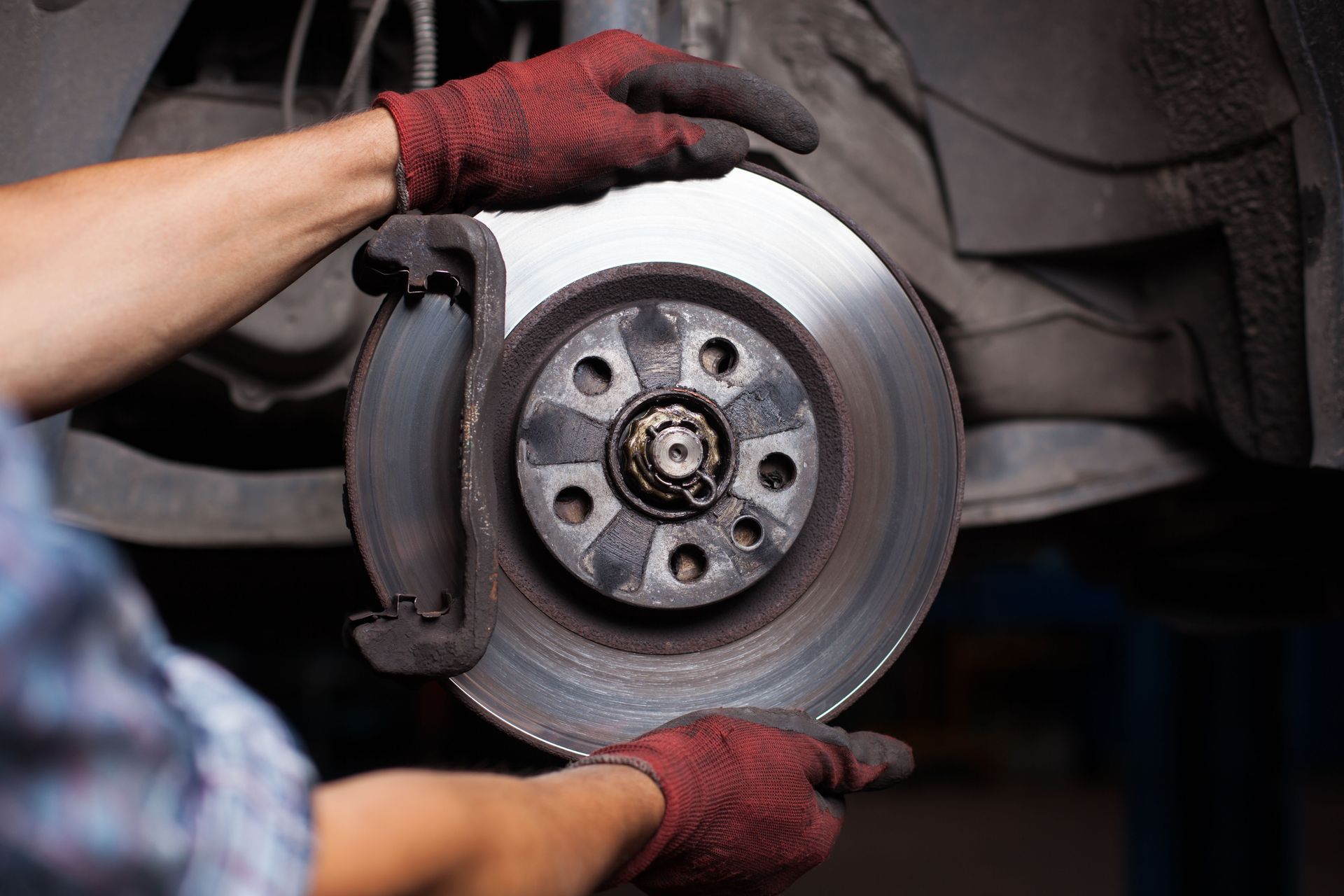
Checking brake pads, rotors, and brake lines can reveal wear or damage. Worn pads and uneven rotors need timely brake repair to maintain safe stopping power. Regular inspections prevent unexpected failures and reduce overall repair costs.
Brake pad thickness is a simple but critical aspect of brake repair. Most manufacturers recommend replacing pads before they wear below 3–4 mm. Ignoring this can cause damage to rotors and increase repair costs. Visual inspection allows early detection, preventing more extensive brake repair.
Rotors should be checked for grooves, cracks, or discoloration. Warped or damaged rotors can affect braking efficiency and may need resurfacing or replacement. Regular rotor inspections as part of brake repair ensure the system maintains maximum stopping power.
Brake lines and hoses should also be examined for cracks, leaks, or corrosion. Compromised lines can lead to brake fluid loss, reducing hydraulic pressure. Timely brake repair and replacement of damaged lines prevent dangerous failures.
5. Performance Issues
Reduced stopping power, vibrations, or pulling to one side during braking indicate worn components needing brake repair. Regular maintenance helps identify these issues early, ensuring smooth and safe vehicle operation.
Uneven braking may result from inconsistent pad wear, misaligned calipers, or uneven rotors. Corrective brake repair ensures balanced braking force, improving vehicle stability and safety. Vibrations felt through the steering wheel during braking are often linked to rotor or wheel alignment issues, which can be resolved through proper inspection and brake repair.
Brake fade, a reduction in stopping power during repeated heavy braking, is another performance concern. It can occur from overheated pads or fluid. Upgrading to higher-quality pads and maintaining the braking system regularly minimizes brake fade and reduces the need for frequent brake repair.
Another performance issue is the vehicle pulling to one side. This usually indicates uneven pad or rotor wear. Timely brake repair, including pad replacement and rotor resurfacing, corrects these issues and ensures smooth braking performance.
6. Maintenance and Repair Tips
Regular brake repair and inspections prevent minor issues from becoming major hazards. Using high-quality parts ensures longevity and reliable performance. For complex issues, consult a professional mechanic, while simpler tasks can be handled by experienced DIYers with proper tools. Following recommended service intervals maintains braking efficiency and overall safety.
Brake fluid should be replaced according to manufacturer recommendations. Over time, fluid absorbs moisture, reducing hydraulic performance. Proper brake repair includes flushing and refilling brake fluid to maintain optimal system function.
When selecting replacement parts, prioritize quality over cost. High-quality pads, rotors, and hardware reduce wear, minimize noise, and extend service intervals. Investing in proper brake repair saves money over time by preventing frequent replacements.
Being aware of brake warning signs and taking prompt action is crucial for road safety. Regular brake repair, inspections, and maintenance help prevent minor problems from escalating, prolong the lifespan of your braking system, and ensure reliable vehicle performance. Vigilant upkeep and timely repairs guarantee that your brakes remain safe and effective. Investing in brake repair not only improves vehicle safety but also provides peace of mind, knowing that your car is ready for any driving condition. Proper care today prevents expensive problems tomorrow, making brake repair an essential part of responsible vehicle ownership.
Incorporating these preventive measures and staying attentive to warning signs allows drivers to maintain consistent braking performance. Whether addressing unusual noises, pedal behavior, or visual wear, timely brake repair is a proactive approach that safeguards both passengers and vehicle longevity. Make brake repair a routine part of vehicle care and enjoy safer, more reliable driving for years to come. For more information, contact JDM Automotive Service.