May 13, 2026
Car suspension repair begins with understanding how suspension systems play a crucial role in supporting a smooth and comfortable ride. These systems are responsible for absorbing shocks and maintaining the vehicle's stability on various road surfaces. Regular maintenance and timely repairs of suspension components can significantly improve ride quality and enhance the overall driving experience.
Ignoring suspension issues can lead to a decrease in vehicle performance, increased wear on tires, and even safety hazards. Therefore, understanding the role of suspension systems and the benefits of keeping them in optimal condition is essential for every car owner. This article takes a closer look at car suspension repair and its impact on ride quality.
Whether you're a seasoned driver or a new car owner, comprehending how suspension repairs contribute to better handling and comfort can help you make informed maintenance decisions. With advancements in automotive technology, suspension systems have become more sophisticated, making professional diagnostics and repairs even more critical. Let's explore the various aspects of car suspension systems and how they influence your driving experience.
The Role of Suspension in Vehicle Dynamics
Understanding Suspension Systems
Suspension systems are an integral part of a vehicle, tasked with maximizing friction between the tires and the road surface. This friction is essential for stability, steering, and handling. A well-functioning suspension system helps the driver and passengers experience less discomfort from road irregularities.
Modern suspension systems are complex assemblies consisting of springs, shock absorbers, and linkages. These components work together to absorb and dampen the forces exerted by the road. According to HowStuffWorks, a car's suspension typically needs repairs or part replacements, such as shocks and struts, at around 50,000 miles.
The design and quality of suspension systems can vary significantly between vehicles. Luxury cars, for example, often feature more advanced suspension systems for enhanced comfort. In contrast, sports cars might prioritize handling over ride comfort. Understanding these differences can help car owners choose the right suspension setup for their needs.
Key Components of a Suspension System
A car's suspension system comprises several key components that work in tandem to provide stability and comfort. The primary elements include springs, shock absorbers, and struts. Springs support the vehicle's weight, absorb shocks, and maintain ride height, while dampers control the oscillations of the springs.
Additionally, control arms and bushings connect the suspension to the vehicle's chassis, allowing for controlled movement and flexibility. These components are crucial for helping the suspension system function smoothly and efficiently. Regular inspection and maintenance of these parts can prevent premature wear and costly repairs.
Sway bars, also known as anti-roll bars, are another essential component of a suspension system. They help reduce body roll during cornering, improving vehicle stability. By understanding the role of each component, car owners can better appreciate the intricacy of suspension systems and the importance of keeping them in good condition.
How Suspension Affects Ride Comfort
Ride comfort is a critical aspect of the driving experience, and the suspension system plays a pivotal role in achieving it. A well-maintained suspension system absorbs road imperfections, reducing vibrations and jolts felt by the occupants. This results in a smoother and more enjoyable ride.
When suspension components wear out or fail, the vehicle may exhibit symptoms such as excessive bouncing, nose-diving during braking, or a harsh ride. These issues not only compromise comfort but can also lead to driver fatigue and reduced focus. Prompt car suspension repair can restore ride quality and improve overall driving satisfaction.
In addition to comfort, a properly functioning suspension system contributes to safety. By maintaining optimal tire contact with the road, the suspension system supports better handling and control, especially during emergency maneuvers. Thus, investing in car suspension repair can provide both comfort and peace of mind for drivers and passengers alike.
The Relationship Between Suspension and Handling
Handling refers to a vehicle's ability to respond to the driver's inputs, such as steering, braking, and acceleration. The suspension system plays a vital role in determining a car's handling characteristics. A well-tuned suspension system provides precise and predictable handling, allowing for confident driving in various conditions.
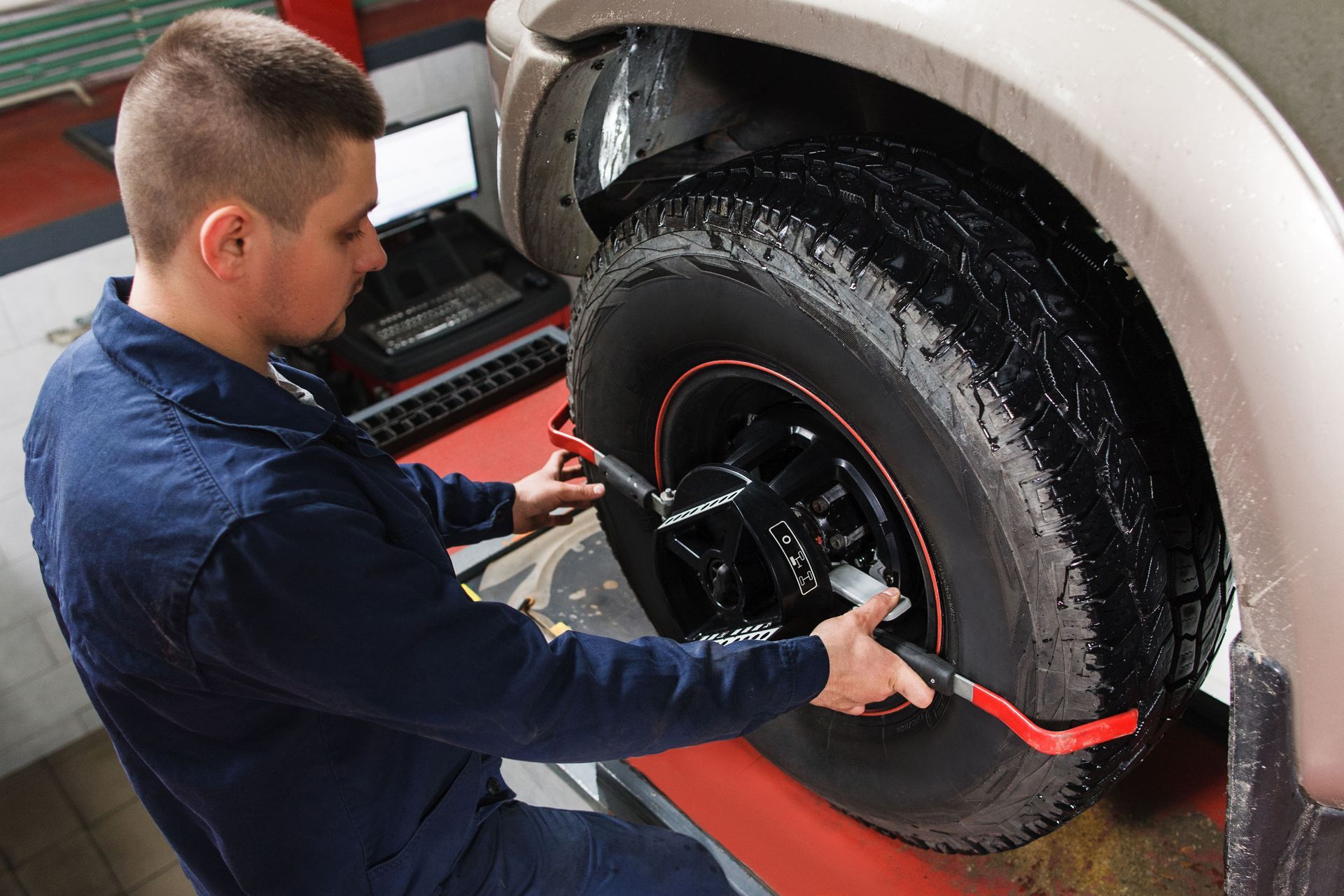
Suspension geometry, which includes factors like camber, caster, and toe angles, significantly affects a vehicle's handling. These angles determine how the tires interact with the road during cornering and other maneuvers. Proper alignment and suspension adjustments are essential for achieving optimal handling performance.
However, achieving the right balance between ride comfort and handling can be challenging. Sports cars, for example, may sacrifice some ride comfort for sharper handling, while luxury cars may prioritize comfort over agility. Understanding the trade-offs involved in suspension tuning can help drivers make informed choices based on their driving preferences.
Common Suspension Problems
Over time, suspension components can wear out or become damaged due to factors such as road conditions, driving habits, and mileage. Common suspension problems include worn-out shock absorbers, broken springs, and damaged bushings. These issues can lead to a decrease in ride quality and handling performance.
Symptoms of suspension problems can vary but often include uneven tire wear, excessive bouncing, and unusual noises such as clunking or squeaking. Timely car suspension repair is essential to prevent further damage and support a safe and comfortable driving experience. Regular inspections and maintenance can help identify and resolve suspension problems early.
In some cases, suspension problems may be caused by misalignment or improper installation of components. Having repairs completed by qualified professionals can help prevent such issues. By understanding common suspension problems, car owners can schedule car suspension repair before small concerns turn into larger vehicle issues.
Diagnosing Suspension Issues
Signs of Suspension Wear and Tear
Recognizing the signs of suspension wear and tear is crucial for maintaining ride quality and safety. Common symptoms include a rough or bumpy ride, uneven tire wear, and a noticeable pull to one side while driving. These signs indicate that the suspension system may not be functioning optimally.
Another indication of suspension issues is excessive body roll during cornering or a nose-diving sensation when braking. Such symptoms can compromise vehicle stability and handling, increasing the risk of accidents. Timely diagnosis and car suspension repair can prevent further damage and support a smoother driving experience.
In addition to physical symptoms, unusual noises such as clunking, creaking, or squeaking can also signal suspension wear. These noises often result from loose or damaged components and should be addressed promptly. By being attentive to these signs, car owners can seek car suspension repair before ride quality and control continue to decline.
Conducting a Visual Inspection
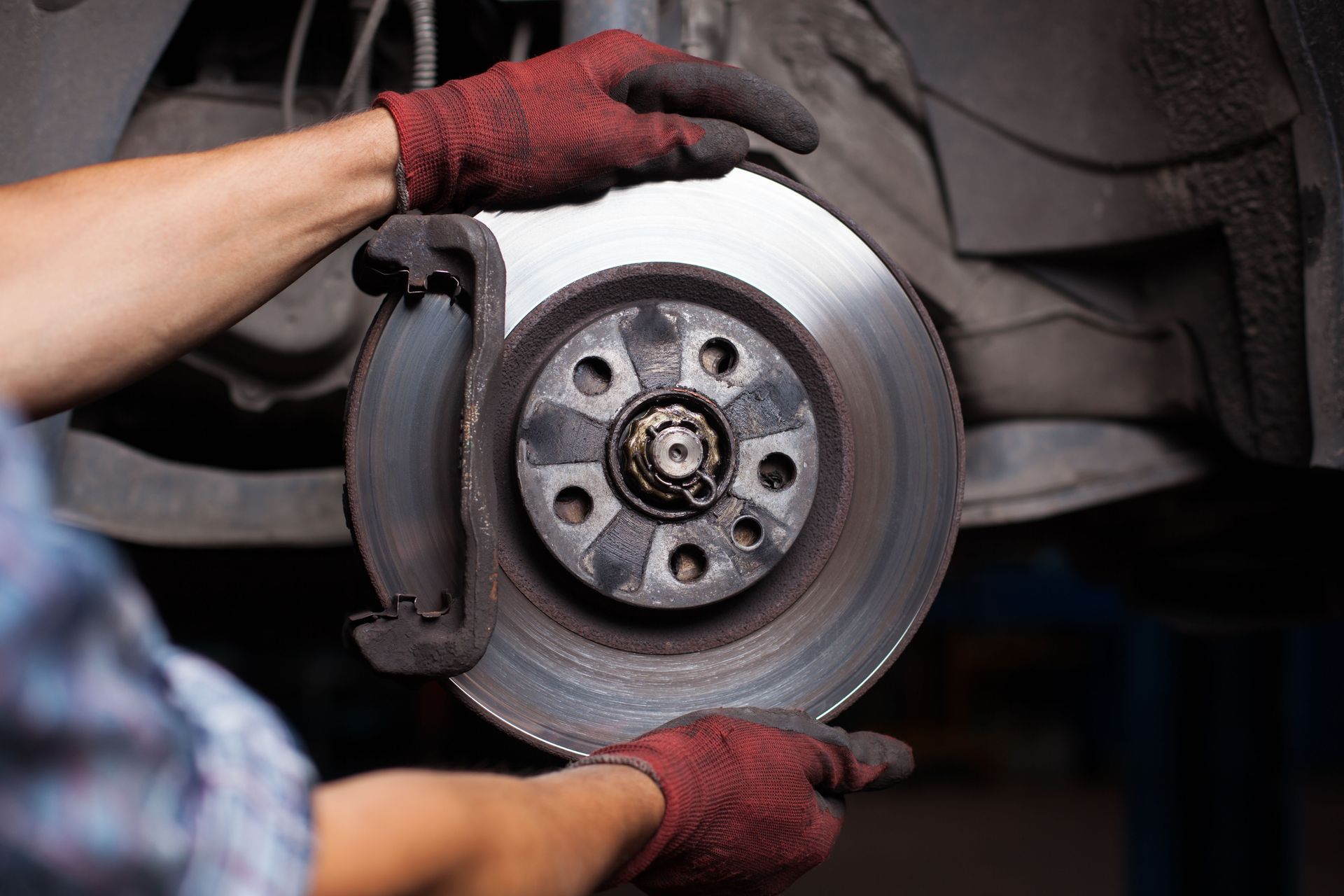
A visual inspection is a straightforward way to assess the condition of a vehicle's suspension system. Begin by examining the tires for uneven wear patterns, which may indicate alignment or suspension issues. Check for any visible damage to suspension components, such as cracked or broken springs.
Inspect the shock absorbers and struts for signs of leakage or damage. Oil stains or wetness around these components may indicate a failure and require replacement. Additionally, examine the control arms and bushings for wear or damage, as these components play a crucial role in maintaining suspension stability.
While a visual inspection can provide valuable clues, it may not reveal all suspension problems. Some issues may require professional diagnostics before car suspension repair can be planned accurately. Regular visual inspections, combined with professional assessments, can help keep the suspension system in optimal condition.
A healthy suspension system affects nearly every part of the driving experience, from comfort and handling to tire wear, braking response, and fuel efficiency. When shocks, struts, springs, bushings, joints, or alignment components begin to fail, the vehicle may feel rough, unstable, noisy, or harder to control. By addressing these issues early, drivers can protect their vehicles from further damage and enjoy a safer, smoother ride. If your vehicle feels bouncy, pulls to one side, makes unusual noises, or no longer handles the way it should, contact a qualified auto repair professional today to schedule an inspection and get the support your suspension system needs. Contact JDM Automotive Service today to learn more.