April 7, 2026
Maintaining a vehicle requires more than just regular oil changes or brake inspections. One of the most overlooked aspects of automotive care is the alignment of the wheels. Proper alignment affects how your car handles, how long your tires last, and most importantly, how safe you remain while driving on the road. Understanding the mechanics of your suspension is a key component of responsible ownership.
The Precision of Steering Control
When your vehicle is properly adjusted, it should travel in a straight line with minimal effort from the driver. An alignment service focuses on adjusting the angles of the wheels so that they're parallel to each other and perpendicular to the ground. Sharp steering feedback allows a driver to react instantly to road hazards. Without this precision, the steering wheel may pull to one side, forcing you to constantly correct your path.
This constant pulling creates a fatiguing experience for the driver, especially during long trips. If you find yourself gripping the wheel tightly just to stay in your lane, your vehicle is likely out of spec. Small deviations in the suspension components can lead to significant handling issues that compromise your ability to steer accurately during an emergency maneuver. A car that tracks straight without drifting provides the peace of mind necessary for focused and attentive navigation through heavy traffic.
Proper steering response is a cornerstone of defensive driving. When your wheels are pointed in the exact direction intended by the manufacturer, the car reacts predictably. This predictability allows for smoother lane changes and more stable cornering. Neglecting an alignment service means you are essentially fighting against your own car for control of the road. Maintaining this mechanical harmony is the only way to feel truly connected to the asphalt beneath you.
Maximizing Tire Longevity and Health
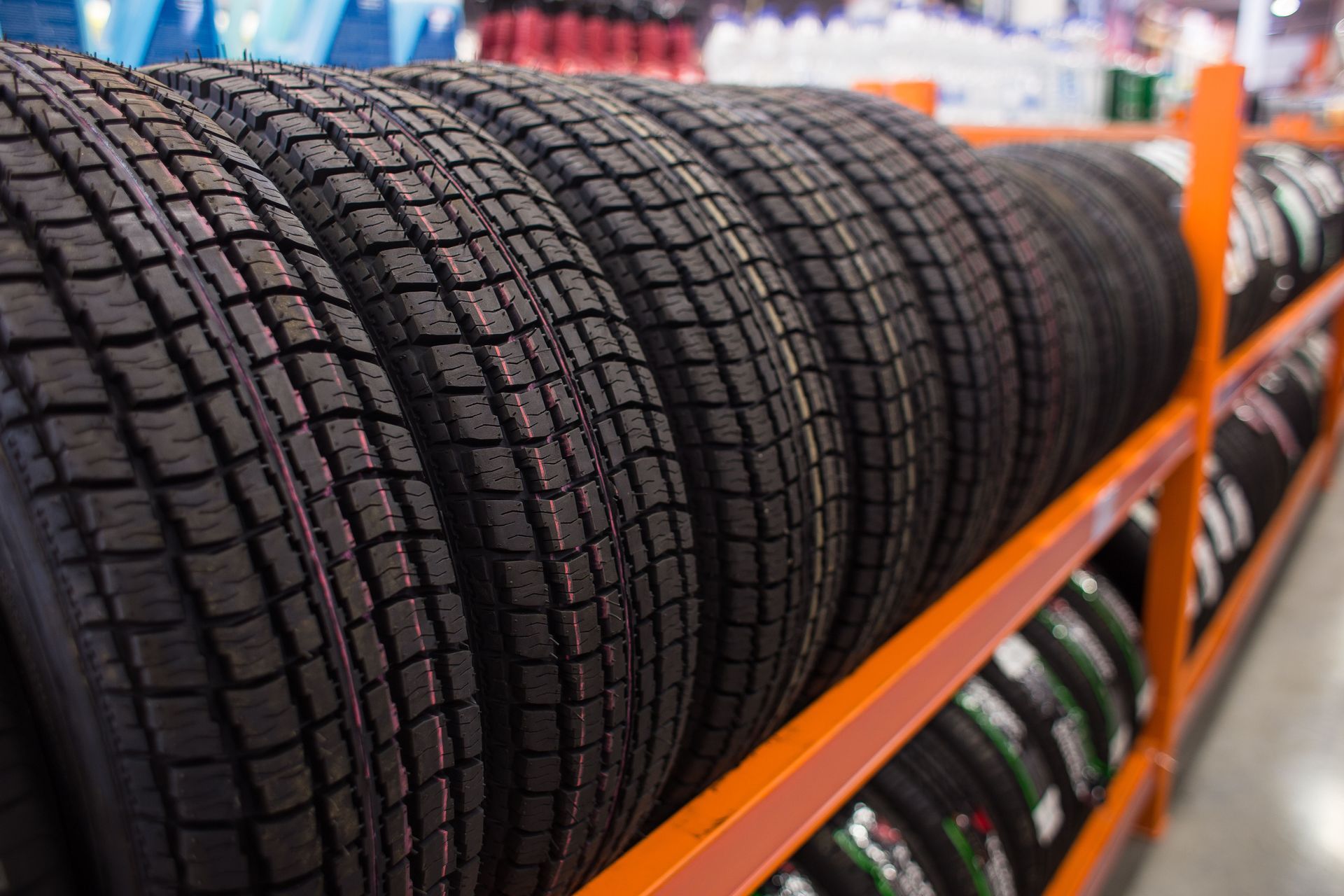
Tires are a significant investment for any vehicle owner, and premature wear is often the result of poor suspension geometry. Even the most expensive tires will fail if the angles of contact aren't correctly calibrated. When wheels are tilted inward or outward, the tread wears down unevenly across the surface. This leads to bald spots or "cupping" that reduces the overall lifespan of the rubber, forcing a replacement much sooner than expected.
Uneven wear patterns aren't just a financial burden; they're a major safety hazard. A tire with uneven tread depth provides inconsistent traction, particularly in wet or icy conditions. According to AutoInc, close to 35% of drivers put off getting wheel alignments. This delay often results in thousands of miles of unnecessary friction that strips away the protective layers of the tire. Keeping the rubber in optimal condition is the primary way to avoid dangerous blowouts that often occur without warning.
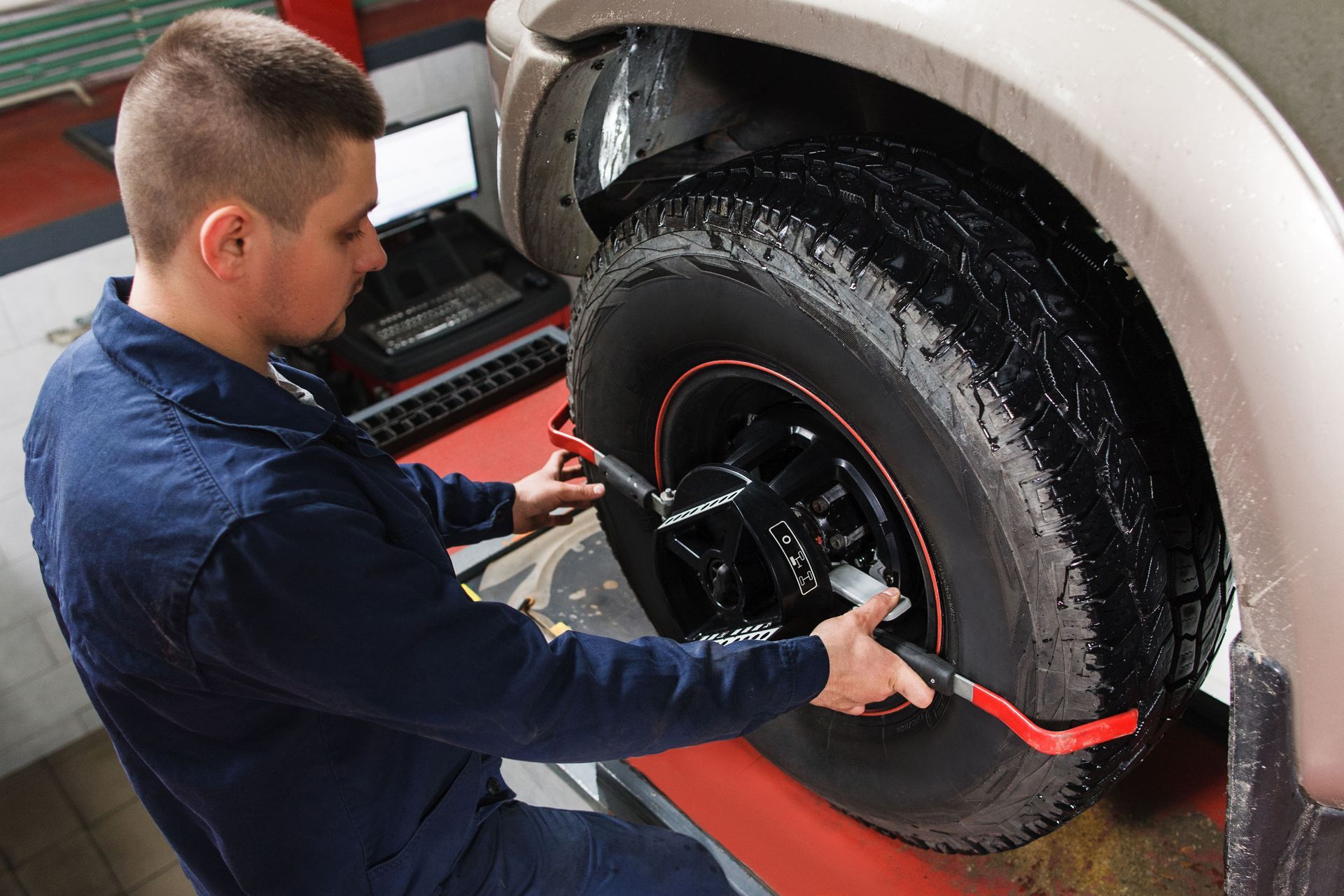
Regularly scheduled maintenance helps monitor these wear patterns before they become critical. By investing in an alignment service, you allow a technician to reset the camber, caster, and toe angles to factory specifications. This simple adjustment protects the structural integrity of the tire and promotes even contact with the asphalt, which is vital for maintaining a strong grip. Protecting your tires through careful adjustment prevents the sudden failure of the rubber while traveling at high speeds.
Enhancing Braking Stability and Distance
The relationship between wheel position and braking performance is often underestimated. For a vehicle to stop efficiently, the weight must be distributed evenly across all four tires. Every extra foot of stopping distance increases the risk of a collision during a sudden traffic slowdown. If the wheels are misaligned, the contact patch of each tire varies, which can lead to unstable behavior when you apply the brakes firmly in a crisis.
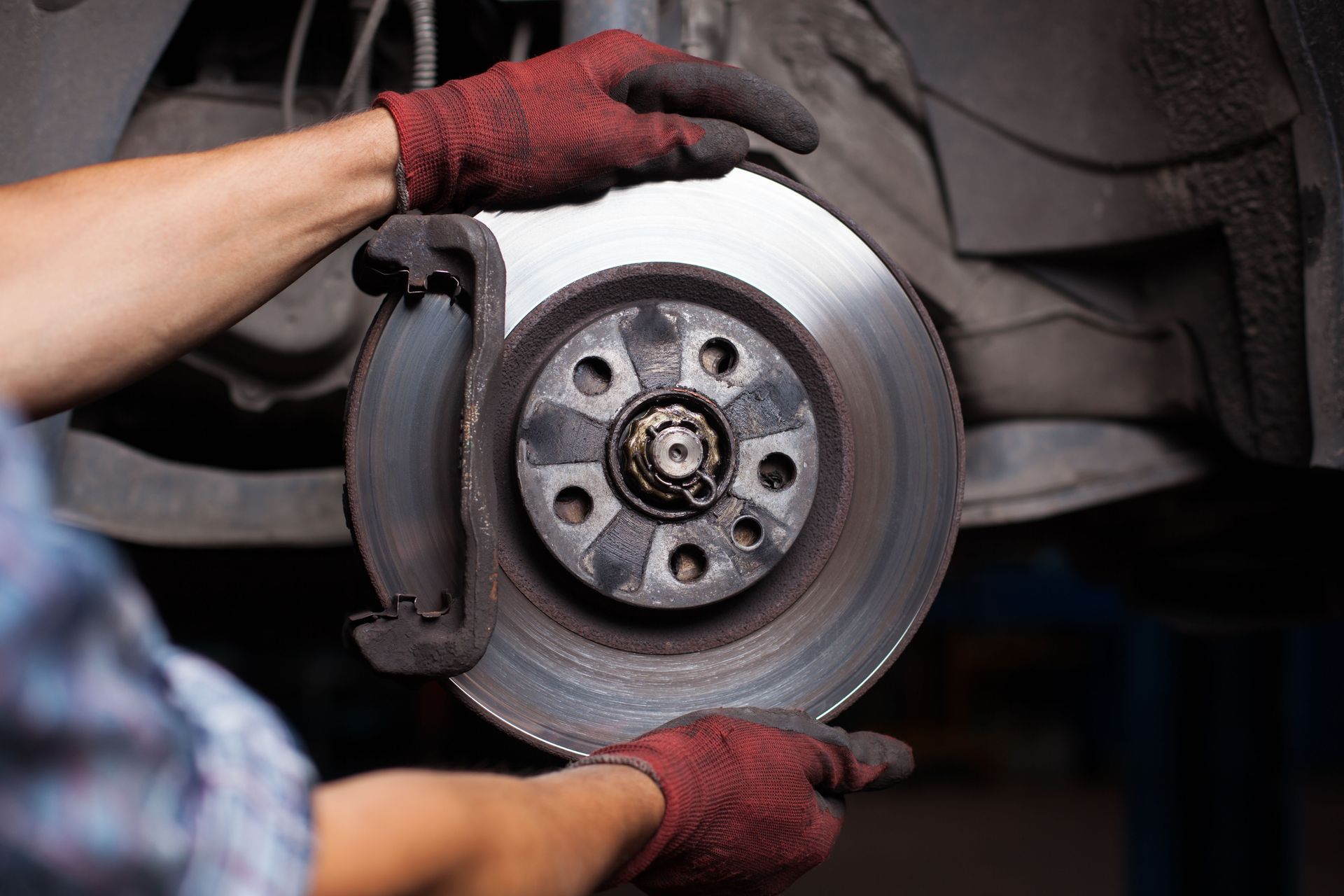
During a hard stop, a misaligned car might dart to the left or right unexpectedly. This occurs because the uneven friction levels cause the braking system to work harder on one side than the other. Such instability increases the risk of skidding or losing control entirely, even if your brake pads and rotors are in excellent condition. Reliability during a sudden stop is a non-negotiable requirement for any family vehicle operating in unpredictable weather.
An alignment service helps verify that every wheel is contributing equally to the stopping process. Consistent contact leads to shorter stopping distances and a more composed feel under heavy deceleration. Keeping the suspension in peak condition helps your anti-lock braking system function as intended, as the sensors rely on stable wheel behavior to prevent lockups. A balanced chassis provides the foundation for every other safety system to perform its job without interference.
Protecting Sensitive Suspension Components
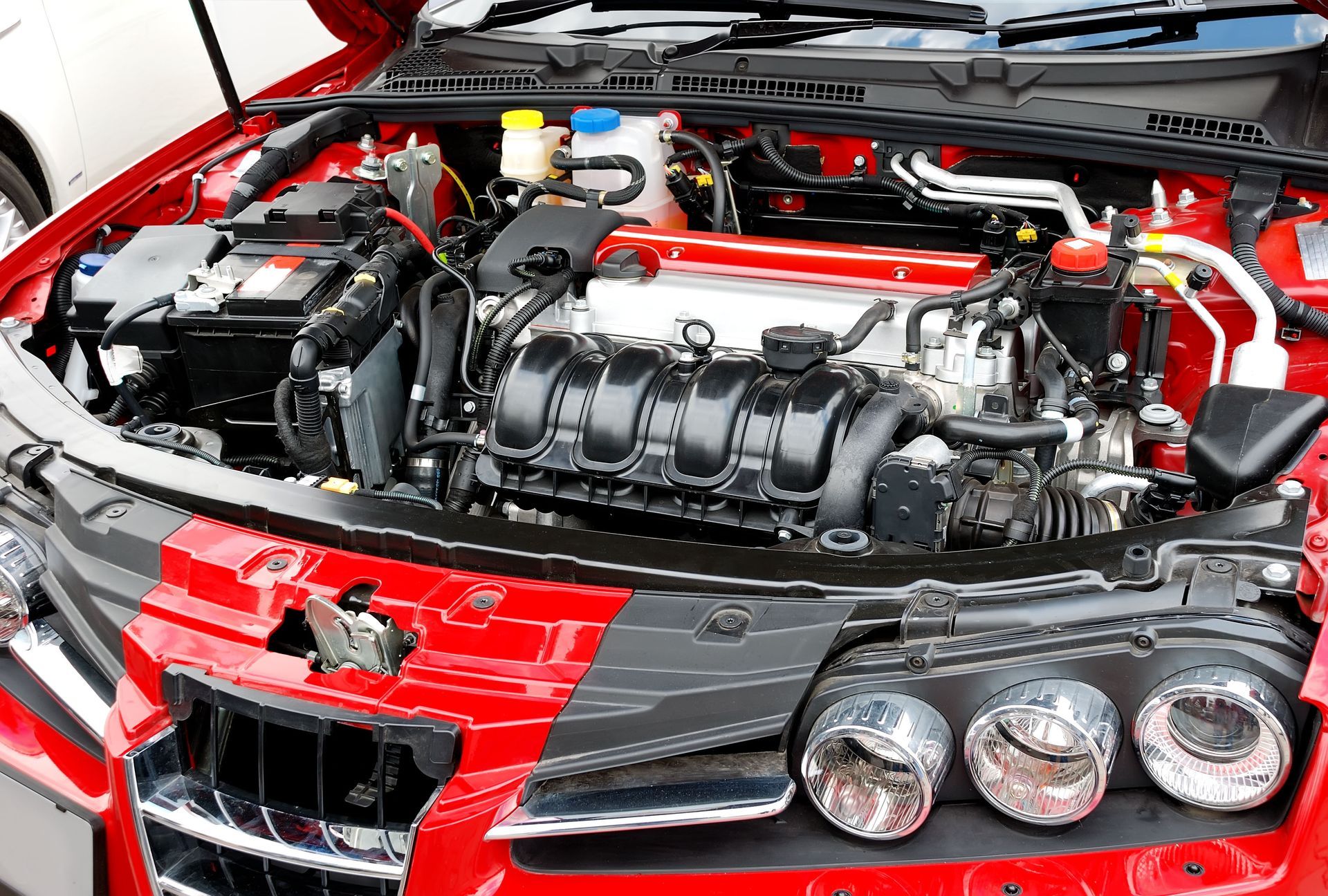
The suspension system is a complex network of struts, shocks, control arms, and bushings. When your wheels are out of alignment, these parts are subjected to abnormal stress and vibrations. Over time, this extra pressure leads to premature failure of expensive mechanical parts that are designed to keep your ride smooth and stable. Replacing a simple bolt is much cheaper than replacing a bent strut or a damaged steering rack.
Driving a misaligned vehicle over bumps or potholes exacerbates the wear on these components. The jarring impact isn't absorbed correctly, sending shockwaves through the chassis. This can cause bushings to crack and ball joints to loosen, which further ruins the geometry of the wheels. A sturdy suspension translates to a smoother ride and a more durable automobile over the long haul. It creates a cycle of degradation that only professional intervention can break.
Seeking a professional alignment service acts as a preventative measure for the entire undercarriage. By keeping the wheels in their designated positions, you reduce the lateral forces that pull on steering linkages and tie rods. This maintenance protects the overall vehicle's health and prevents a domino effect of mechanical failures that could leave you stranded. Keeping these joints and links in good repair is a proactive way to avoid costly secondary damage to the frame.
Fuel Efficiency and Environmental Impact
Safety is paramount, but the efficiency of your vehicle also plays a role in its safe operation. When wheels aren't aligned, they create rolling resistance, which means the engine must work harder to push the car forward. A vehicle that glides effortlessly uses energy more effectively for both the driver and the planet. This inefficiency not only burns more fuel but also causes the engine and transmission to run hotter than necessary.
Increased rolling resistance means your vehicle is essentially fighting against itself to maintain speed. This drag can make the car feel sluggish or unresponsive when you need to accelerate quickly to merge onto a highway. Every gallon saved contributes to a lower cost of ownership and a smaller carbon footprint for your daily commute. A responsive engine and drivetrain are key safety features, allowing you to navigate traffic flow with confidence and speed.
By opting for an alignment service, you minimize this friction and allow the wheels to roll freely. This leads to better fuel economy and a smoother power delivery across all speeds. Reducing the strain on your vehicle helps it to operate within its intended safety margins and ensures that you have the power you need when the driving environment becomes challenging or unpredictable. Improving your fuel economy through proper wheel positioning is a smart way to keep your car running lean and clean.
Investing in an alignment service is a vital step in maintaining a secure and reliable vehicle. By addressing suspension geometry, you protect your tires, improve braking, and safeguard your steering control. Prioritizing this simple maintenance task promotes a safer driving experience for everyone sharing the road today and in the future. Contact our team at JDM Automotive Service to schedule your next appointment and keep your vehicle performing at its best.