August 3, 2026
Maintaining proper vehicle handling is essential for safe driving, optimal fuel economy, and maximum tire life. When your vehicle starts drifting, vibrating, or showing uneven tread wear, it is likely time to seek professional maintenance. Knowing the warning signs allows you to address steering issues promptly before they lead to premature tire replacement or costly component damage.
Identifying Vehicle Pulling and Drift
One of the most common signs that your vehicle needs attention is a noticeable drift or pull toward one side of the road. When driving on a straight, level street, your car or truck should ideally stay in a straight line with minimal steering wheel correction. If you find yourself constantly nudging the wheel to keep the vehicle centered, your wheel angles are out of specification. This pulling effect happens when the camber or toe angles on one side differ from those on the other side, forcing the vehicle off course. Severe drifting can also compromise emergency handling, making it much harder to react quickly to unexpected road hazards or sudden stops.
Ignoring this drifting sensation forces you to exert continuous steering pressure, which creates driver fatigue and reduces overall control. Road hazards such as potholes, curb impacts, or severe winter frost heaves frequently knock wheels out of their factory specifications. Over time, even minor daily bumps accumulate and cause subtle shifts in your vehicle geometry. Driving over speed bumps at excessive speeds or routinely parking tight against concrete curbs further accelerates this geometric degradation. Scheduling a timely alignment service helps restore proper tracking, reduces driving strain, and prevents unnecessary stress on vital steering components.
Observing Uneven Tire Tread Wear
Regularly inspecting your tires provides valuable insight into the physical health of your vehicle suspension and wheel positioning. When wheel angles deviate from recommended settings, the tire tread rubs against the pavement at incorrect angles, creating distinct wear patterns. Feathering occurs when the tread block edges feel smooth when pulled one way but sharp when pulled in the opposite direction. Heel-and-toe wear, where one edge of a tread block wears down faster than the other, is another clear indication of misalignment. Identifying these subtle wear characteristics early allows you to correct underlying suspension issues before complete tire failure occurs.
Outer or inner edge wear is particularly hazardous because it weakens the structural integrity of the tire carcass without being immediately obvious from a distance. If one shoulder of your tire shows significantly more wear than the center or inside edge, the camber angle is incorrect. Driving on unevenly worn tires reduces traction on wet roads, increases stopping distances, and forces you to replace expensive tires prematurely. Severe edge wear also increases the risk of unexpected tire blowouts while driving at high highway speeds. When you notice these irregular patterns, booking an alignment service as soon as possible will protect your remaining tread life and preserve your tire investment.
Feeling Steering Wheel Vibrations
A vibrating steering wheel is a physical symptom that should never be ignored by vehicle owners. While unbalanced tires or worn brake rotors can cause vibrations, misaligned wheels often contribute directly to steering wheel feedback, especially at highway speeds. When your tires are pointing in slightly different directions, they fight against each other on the road surface, creating friction and persistent vibrations through the steering column. Over time, this constant micro-scrubbing action degrades tire tread compounds rapidly and decreases fuel efficiency by increasing overall rolling resistance.
This continuous shaking is not only uncomfortable for drivers and passengers, but it also accelerates wear on secondary steering and suspension parts. Bushings, ball joints, and tie rod ends experience increased friction and premature fatigue when wheel angles are incorrect. Furthermore, unresolved steering wheel shudder can stress power steering components and steering gear assemblies, potentially leading to costly hydraulic or electrical steering system failures later on. Addressing steering column shaking through a professional alignment service ensures that your wheels are balanced and tracking straight, creating a smooth, comfortable, and safe ride across all driving speeds.
Checking Off-Center Steering Alignment
When driving straight down a clear road, the steering wheel logo should sit perfectly horizontal and centered. If the steering wheel is crooked or turned slightly to the left or right while your vehicle travels in a straight line, your wheel geometry is misaligned. This off-center condition usually indicates that the toe angle needs adjustment across the front axle assembly. It also creates constant strain on your hands and wrists, making long highway drives far more tiring than necessary.
A crooked steering wheel can confuse electronic stability control systems and anti-lock braking features in modern cars, as onboard sensors rely on accurate steering angle inputs. According to IBISWorld, the market size of the Auto Mechanics industry in the United States is $92.1bn in 2026. With automotive technology advancing rapidly, maintaining precise physical and digital calibrations across all vehicle systems is more important than ever. Advanced driver assistance safety features depend heavily on proper chassis alignment to function correctly during emergency maneuvers. Investing in a high-quality alignment service keeps your vehicle pointing true while protecting other mechanical assemblies from excess strain.
Understanding Key Suspension Factors
Wheel angles do not exist in isolation; they are directly attached to your vehicle suspension network. Worn struts, damaged shocks, broken springs, or loose control arm bushings directly alter how your tires meet the road surface. When suspension parts degrade, they allow the wheels to move outside of their ideal alignment ranges, leading to poor handling, body roll during turns, and excessive bouncing over bumps. Loose components also create subtle geometry shifts as the vehicle accelerates or brakes, creating dynamic alignment shifts that make the car feel unstable or unpredictable on highways.
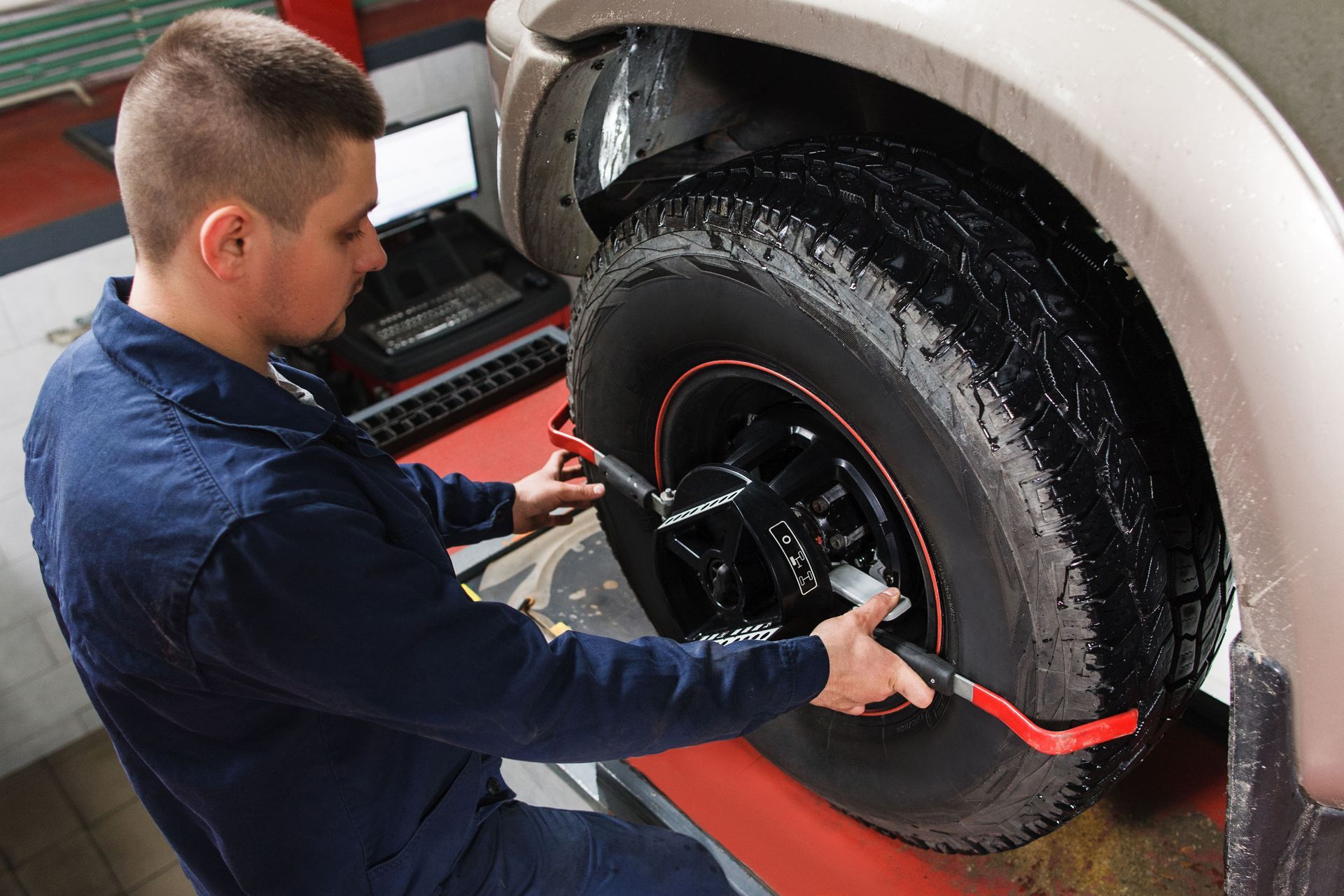
Before performing wheel geometric adjustments, automotive technicians evaluate the entire steering and suspension system for excessive wear or looseness. Replacing worn tie rods, ball joints, or sway bar links is often necessary to ensure that new alignment settings remain stable over time.
Attempting to align a vehicle with degraded suspension hardware is ineffective, as worn joints will immediately shift out-of-place once the car hits the road. Combining suspension repairs with an alignment service ensures that new struts or tie rods are calibrated correctly from day one, giving you optimal control and extending component service life.
Prioritizing Routine Preventive Maintenance
While major signs like vehicle pulling or rapid tire wear demand immediate attention, scheduling routine checkups is the best strategy to avoid costly repairs. Vehicle manufacturers often recommend checking wheel angles every 12,000 to 15,000 miles or whenever you install a new set of tires. Combining wheel checks with scheduled oil changes, tire rotations, brake inspections, and routine mileage services keeps your car operating safely and efficiently.
Proactive wheel checks help catch minor alignment shifts early, preventing permanent tire damage before it happens. Correct wheel alignment also minimizes rolling resistance, which directly enhances fuel efficiency and reduces overall fuel costs. Making an alignment service a standard part of your vehicle maintenance routine ensures safer driving conditions year after year.
Ignoring small steering and suspension warning signs can quickly compromise vehicle safety and lead to expensive repairs over time. Scheduling routine maintenance at the first sign of pulling or uneven tread wear ensures smooth handling and protects your financial investment. For complete vehicle care and expert wheel adjustments, contact the experienced team at JDM Automotive Service today.