October 1, 2026
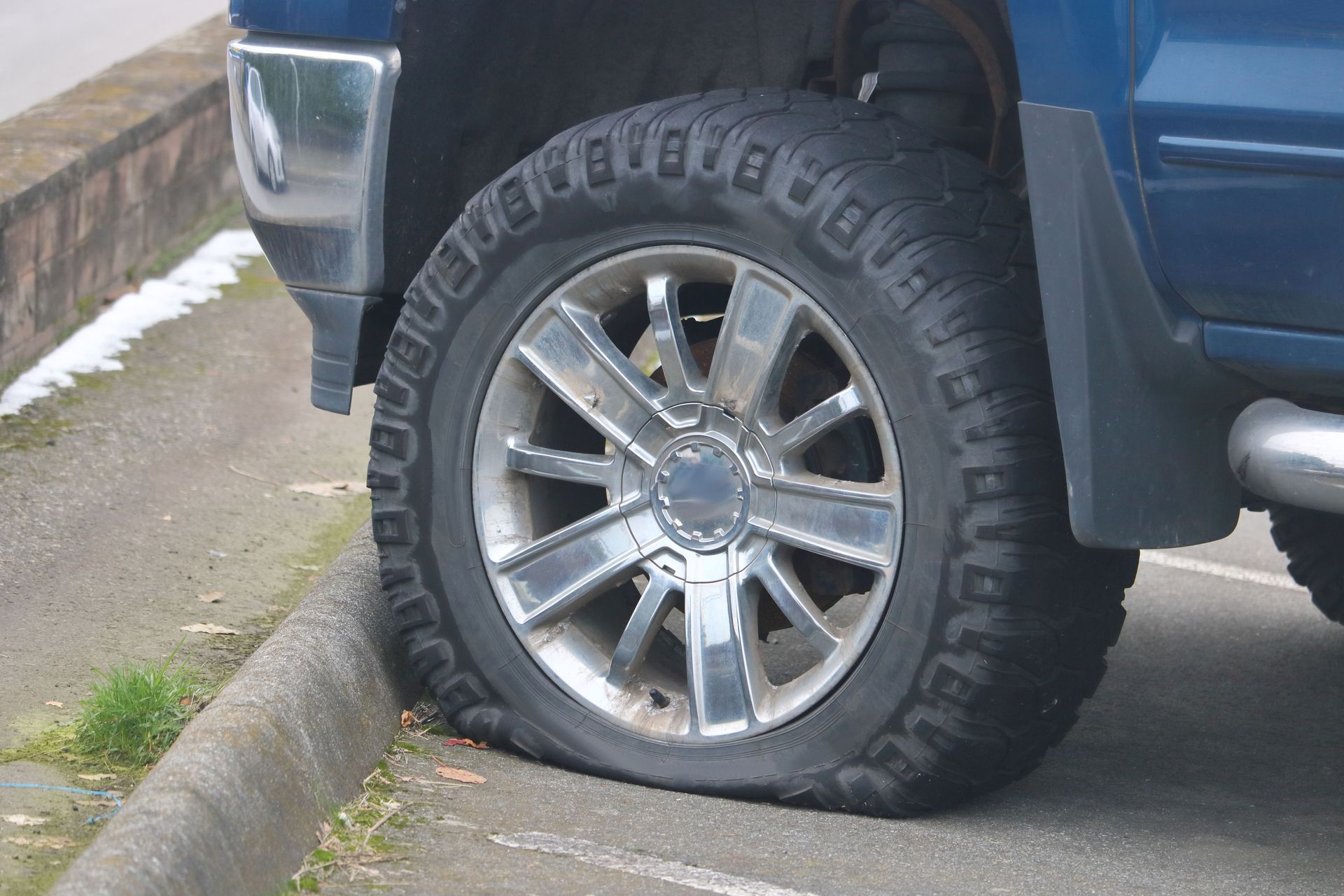
A flat tire can interrupt a commute, delay an appointment, or leave a vehicle unable to continue safely. Punctures from nails, screws, glass, or other road debris are common causes, while damaged valve stems, worn tread, and impact damage can also contribute to air loss. Some tire problems develop gradually, making it possible for a driver to notice a pressure warning or handling change before the tire becomes completely flat. Professional car tire repairs begin with identifying why the tire lost pressure rather than simply restoring air and returning the vehicle to the road.
Evaluate Tire Damage and Overall Condition
A proper tire evaluation looks beyond the visible puncture. A technician can inspect the tread, sidewalls, bead area, valve stem, and interior condition to determine whether the tire has sustained damage that affects its structural integrity. The location, size, and nature of a puncture can influence whether the tire can be safely repaired or needs replacement. A thorough inspection also helps identify related problems that may have contributed to the loss of pressure. This approach gives drivers clearer information before a repair is performed.
Determine When a Tire Can Be Repaired
Not every flat tire is a candidate for repair, so professional evaluation is important. Repairs may depend on factors such as where the puncture occurred, how extensive the damage is, and whether the tire was driven while significantly underinflated. Damage in certain portions of a tire may compromise its ability to provide dependable service even when the original puncture appears small. A qualified technician can assess these factors and explain the appropriate service option. When repair is suitable, the goal is to restore the tire without overlooking conditions that could affect its future performance.
Perform Professional Car Tire Repairs
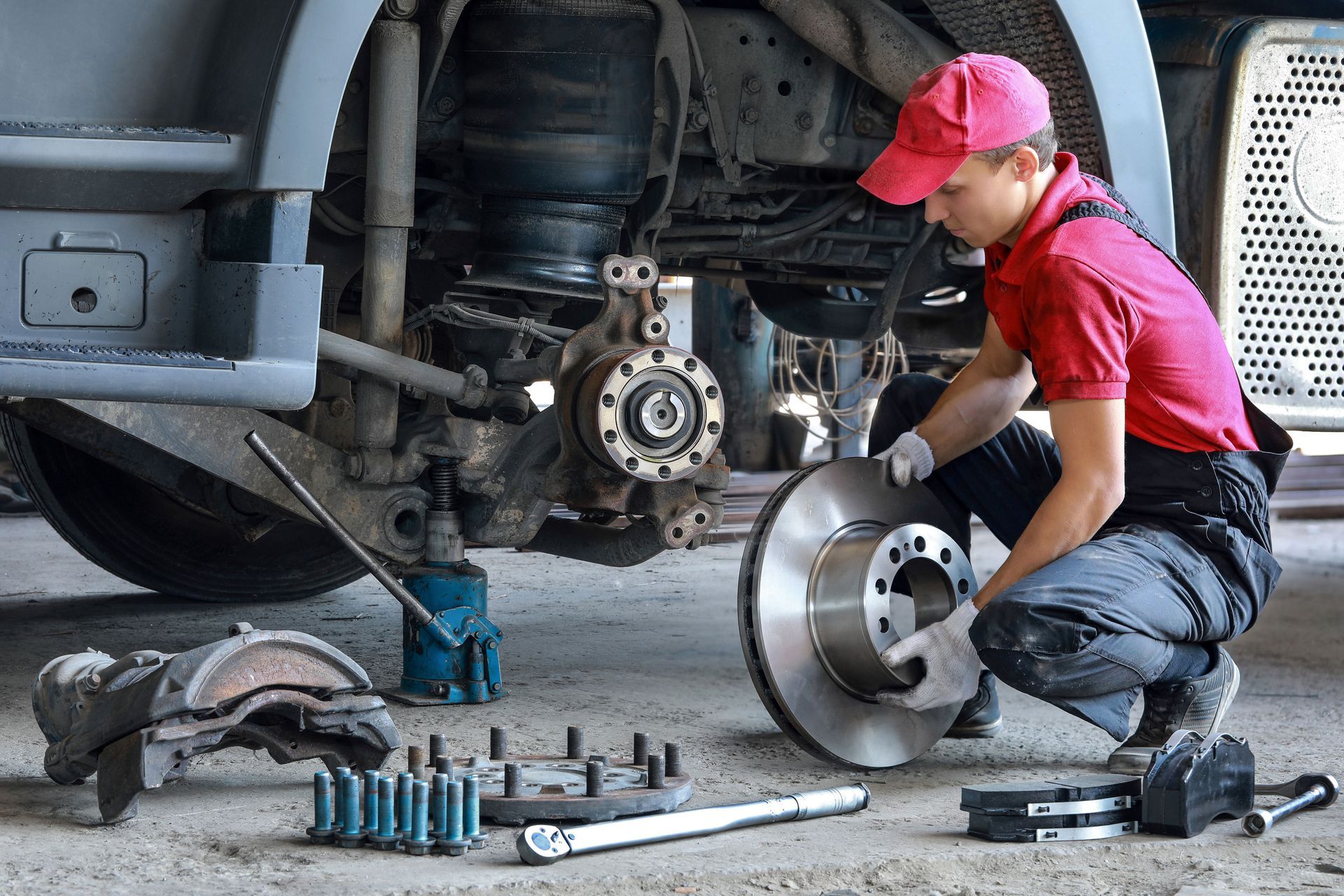
Professional car tire repairs require appropriate equipment, procedures, and inspection practices. Technicians can locate the source of air loss, prepare the affected area, and use a repair method appropriate for the type of damage and tire construction. After the repair, the tire can be checked for proper inflation and continued air retention. The repair process should also account for the condition of the surrounding tread and sidewall. Careful service can help ensure that a small puncture is addressed as part of the tire's overall condition rather than treated as an isolated issue.
Address Flats Before They Cause Further Problems
Continuing to drive on a severely underinflated or flat tire can create additional damage. Reduced air pressure can increase stress on the tire and may affect steering, braking, handling, and fuel efficiency. If a tire has been driven while flat, internal components may be damaged even when the exterior does not show an obvious problem. According to the Automobile Club of Southern California, nearly half of nationwide AAA assistance calls come from three common trouble categories: dead batteries, flat tires, and keys locked inside vehicles. This information illustrates how frequently tire-related problems contribute to roadside disruptions and why prompt attention can be valuable.
Restore Proper Tire Pressure and Performance
Correct inflation is an important part of completing a tire service. A technician can set the tire pressure according to the vehicle manufacturer's specifications and verify that the repaired tire is retaining air. Proper inflation supports handling, tread wear, braking response, and overall tire performance. Pressure should also be considered alongside the condition of the other tires because uneven wear or pressure differences can affect how the vehicle behaves. Completing these checks after service helps ensure that the vehicle leaves the shop with the tire system evaluated as a whole.
Check Related Wheel and Tire Components
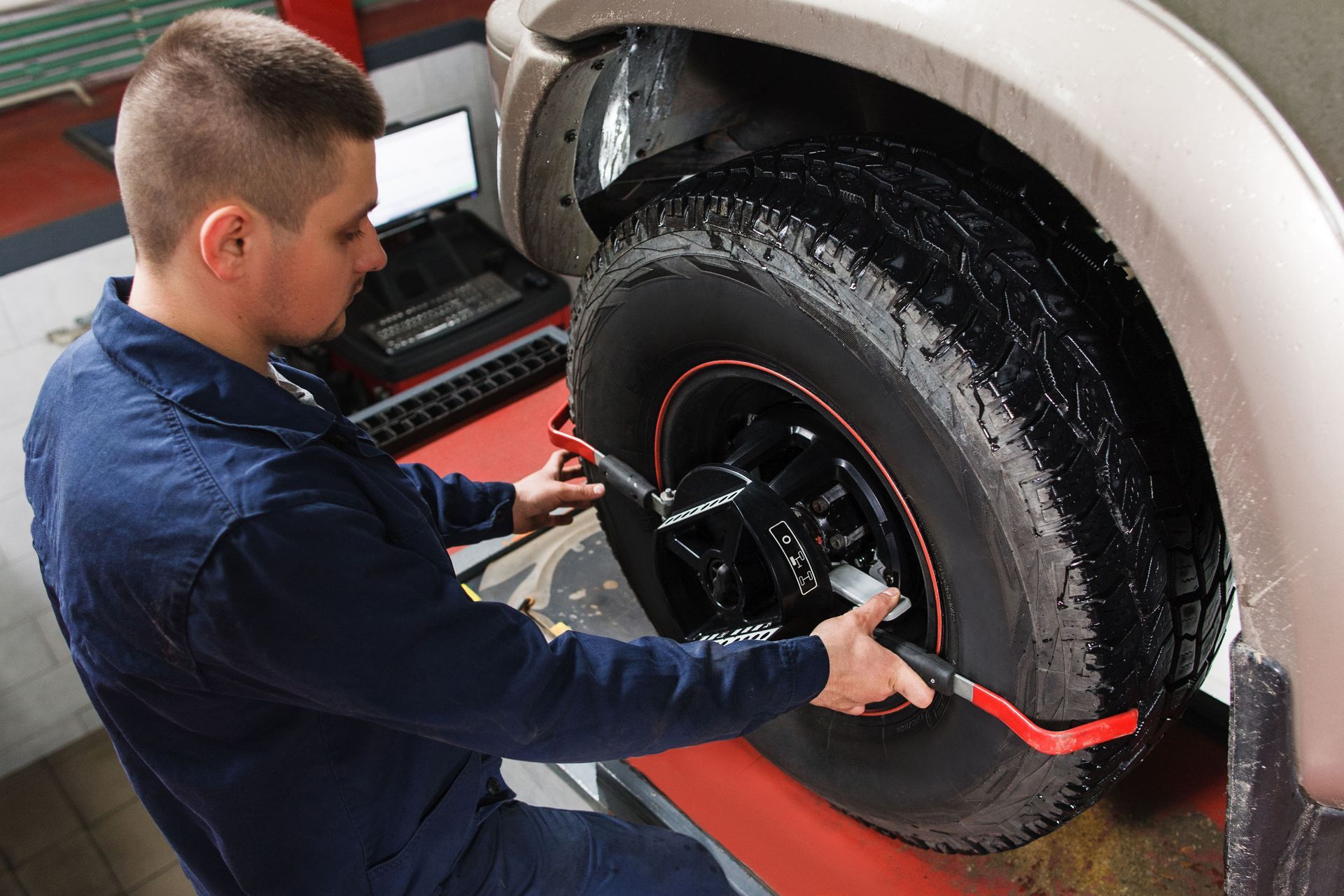
A flat can sometimes be connected to a problem beyond the tire itself. A damaged wheel, leaking valve stem, or issue around the bead can allow air to escape even when the tread appears intact. Road impacts can also affect wheel condition and alignment, particularly when a vehicle encounters a pothole or curb. Professional inspection can help determine whether these related components require attention. Identifying the underlying source of a recurring pressure loss can prevent drivers from repeatedly addressing the symptom without resolving the cause.
Consider Tire Age and Tread Condition
A puncture repair does not make an aging or excessively worn tire suitable for continued use. Tire age, tread depth, uneven wear, cracking, bulges, and previous damage can all influence the condition of the tire. A professional technician can evaluate these factors while inspecting a flat and explain when replacement may be more appropriate than repair. This broader assessment is particularly useful when a vehicle has accumulated significant mileage or the tires have experienced demanding driving conditions. Addressing the overall tire condition can help drivers make informed decisions about continued road use.
Support Safer and More Convenient Vehicle Operation
Flat tires can create more than an inconvenience because unexpected tire failures can interrupt travel and introduce roadside safety concerns. Having a professional service provider available can make it easier to address a damaged tire without relying on improvised solutions or delaying necessary service. Car tire repairs can restore a repairable tire to service while giving technicians an opportunity to evaluate related tire and wheel conditions. Drivers can also benefit from having tire concerns addressed promptly instead of continuing to operate a vehicle with unexplained pressure loss. Timely service supports more predictable vehicle operation and can reduce the disruption associated with unexpected flats.
Prepare for Recurring Tire Pressure Issues
Some vehicles experience repeated pressure loss even after an initial tire concern has been addressed. When this happens, professional evaluation can help determine whether the cause involves a new puncture, valve problem, wheel condition, or another issue. Recurring pressure changes should not automatically be treated as ordinary tire wear because the underlying cause may require separate attention. Professional car tire repairs can include a broader inspection when a tire repeatedly loses air. Identifying patterns in pressure loss can help technicians determine what service the vehicle needs and whether other tires should be evaluated at the same time.
Plan Service Around Vehicle Needs
Tire concerns can arise on commuter vehicles, family cars, work vehicles, and vehicles that regularly travel long distances. The appropriate service approach can depend on the tire type, vehicle specifications, driving demands, and condition of the affected components. Drivers should provide technicians with information about impacts, warning lights, handling changes, or previous service. This information can make the inspection more focused and help identify circumstances that may have contributed to the problem. Professional car tire repairs are most effective when the technician has a clear understanding of the vehicle's recent symptoms and service history.
Respond Promptly When Tire Problems Appear
A tire that is losing air can change how a vehicle handles and may become more difficult to manage as pressure decreases. Prompt professional attention gives technicians an opportunity to inspect the problem before additional driving creates more damage. Drivers should also take unusual vibration, pulling, repeated pressure warnings, or visible tire changes seriously rather than assuming the issue will resolve on its own. Professional car tire repairs can address eligible punctures while also identifying conditions that may require replacement or additional service. Timely evaluation can help keep a minor tire concern from becoming a larger interruption to everyday transportation.
JDM Automotive Service provides professional assistance for drivers dealing with flat tires and other tire concerns. We can inspect the condition of a damaged tire, determine whether repair is appropriate, and address related issues that may affect air pressure or tire performance. Our team can also evaluate surrounding tire and wheel components when a flat appears connected to a broader problem. If you need professional
car tire repairs, contact JDM Automotive Service to schedule an inspection and discuss the appropriate service for your vehicle.